The Wall That Was Almost Left Blank
Lin knew exactly which part of her new home bothered her most: the entryway wall.
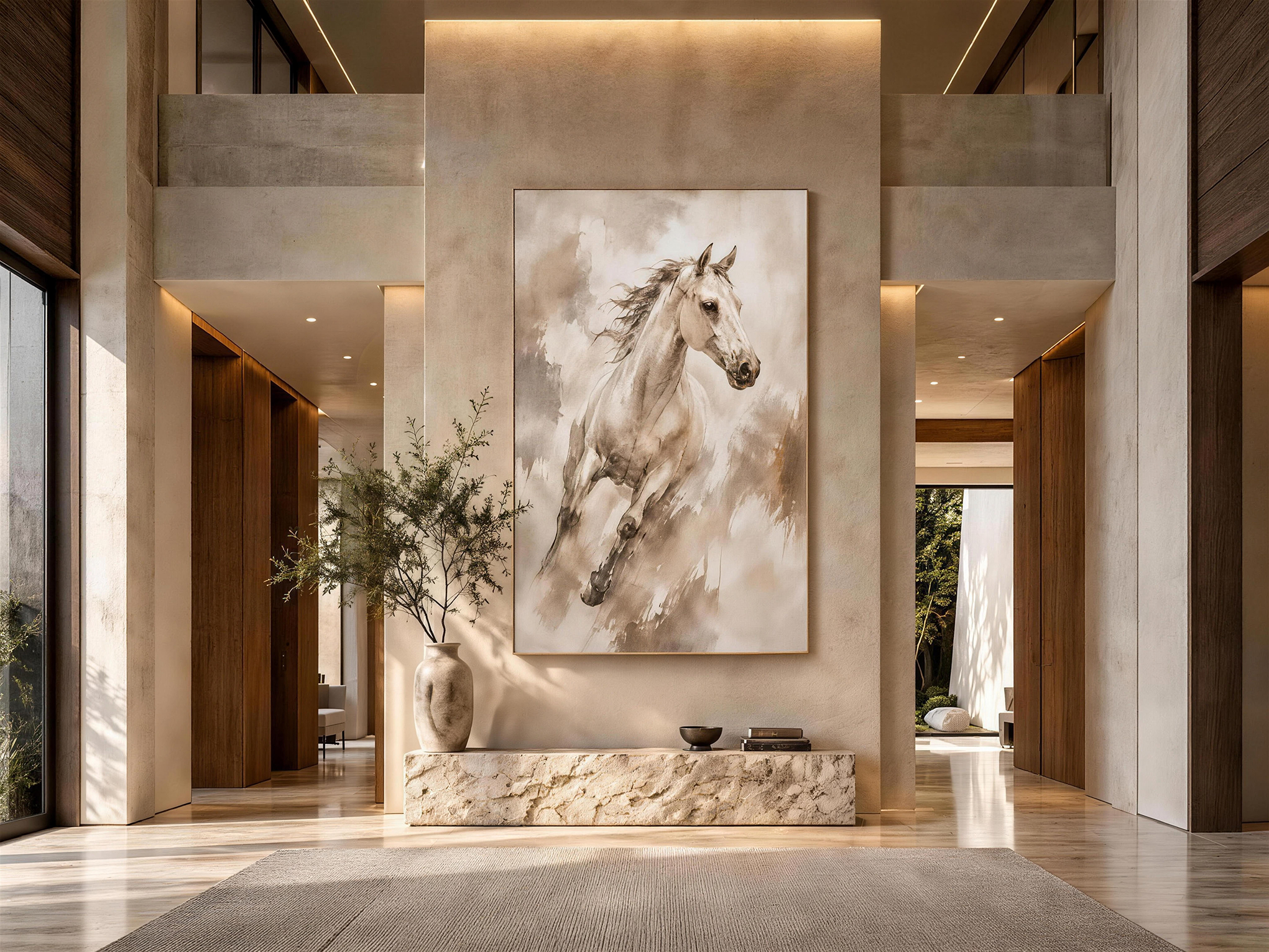
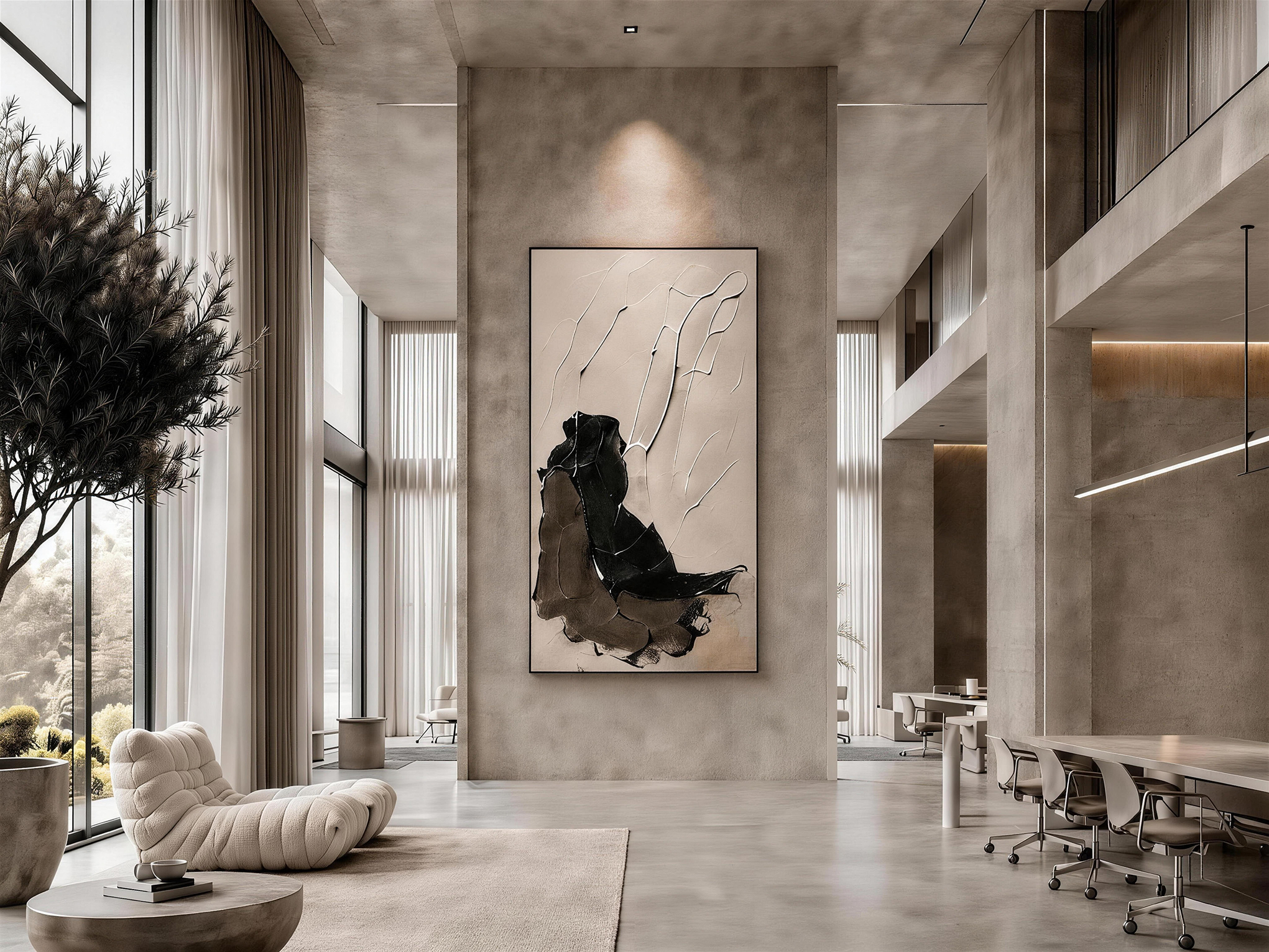
The apartment came finished in a clean, minimalist style — cream marble floors, pale grey textured paint, lines so spare they felt like a blank page. Her designer had left one full wall bare by the front door, saying, "Hang a piece here, and the whole entrance will have a focal point the moment someone walks in." But when it came time to choose, Lin made three trips to galleries and ordered seven or eight samples online. Every time she held one up against that nearly three-meter wall, something felt off. Flat prints looked like posters pasted onto the surface — lightweight, unable to carry the space.
"It's not that the art is ugly," she told her husband. "It's just too… flat. It doesn't belong to the wall."
The turning point came at a friend's tea gathering. The friend had just finished renovating and mentioned using a hand-carved relief painting in her own entryway. "From a distance it looks like a painting," she said, "but up close you can feel the texture." Lin didn't think much of it at the time — until that weekend, when she walked into her friend's apartment and stopped. Light fell across the wall, and the carved surface cast soft, layered shadows. The whole entrance suddenly had depth.
She took a photo on the spot and contacted the studio as soon as she got home.
When she saw the horse, she knew immediately.
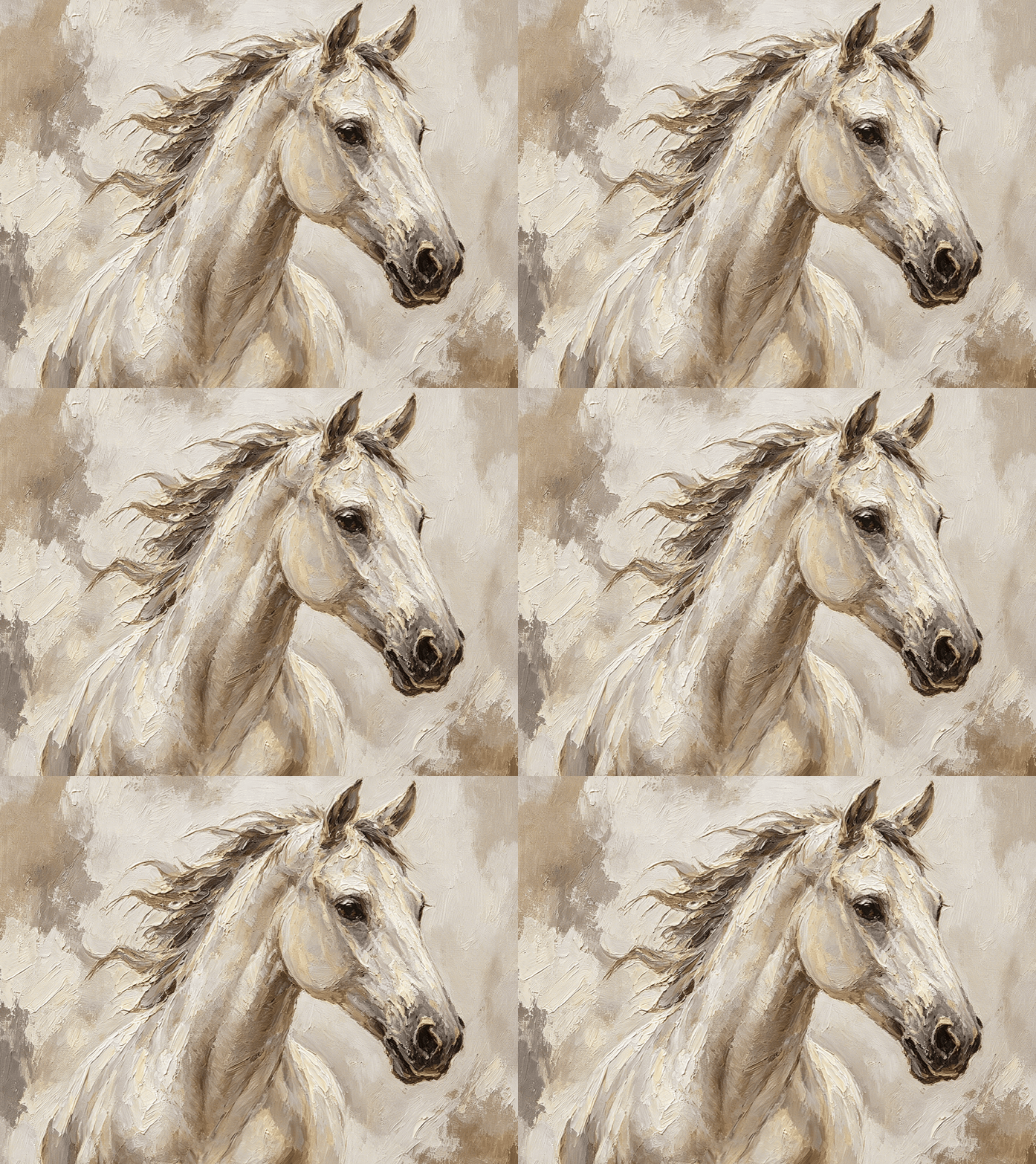
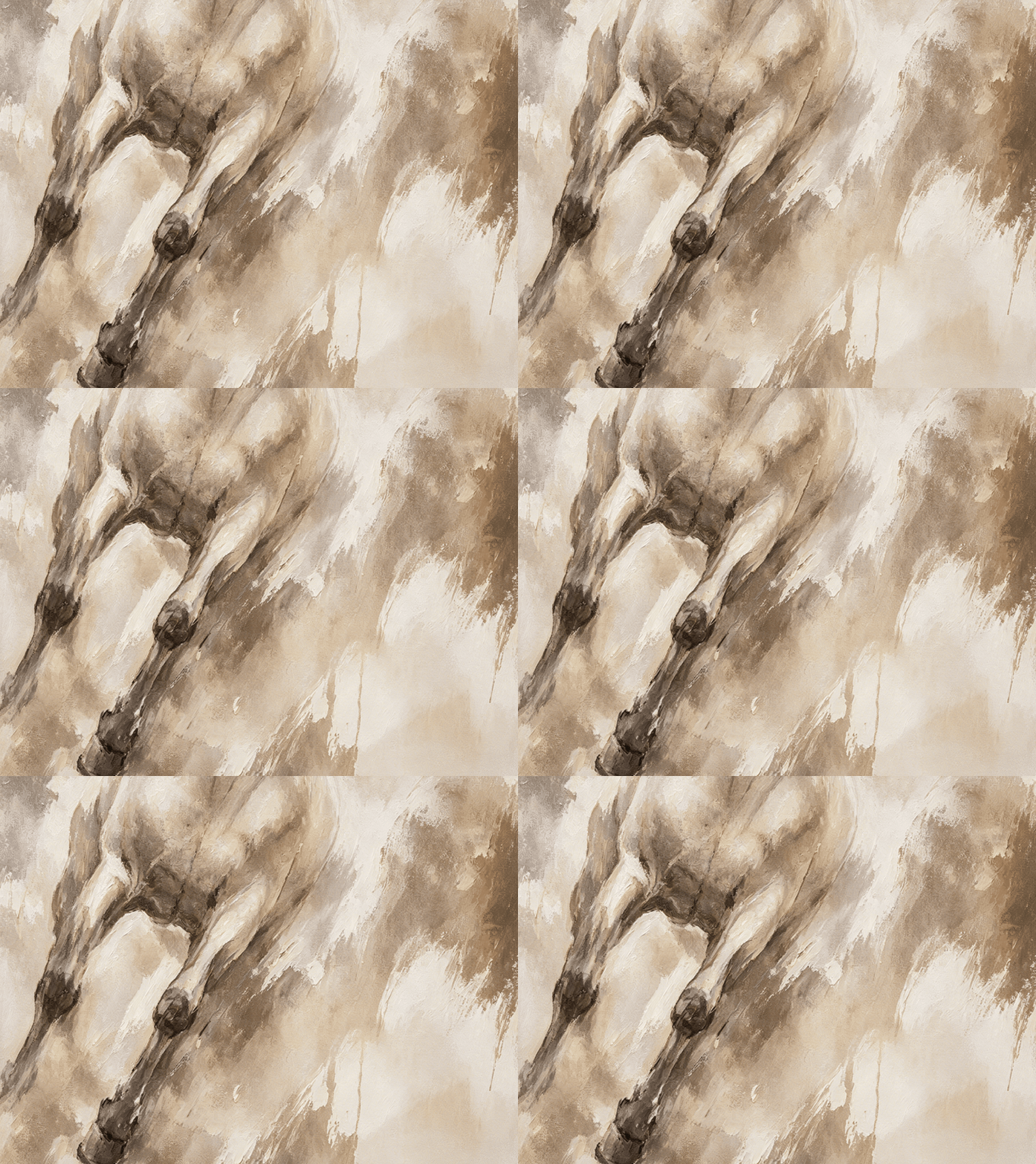
It wasn't a realistic, traditional steed painting. The form was abstracted — the horse's body defined by flowing lines, its musculature suggested by the depth of the carving. The mane and tail were incised with fine, dense strokes; the flank was left broad and open. From far away, it was a horse standing still. Up close, you could trace every chiseled mark with your fingertips. Her husband was born in the Year of the Horse and said, "It looks quiet, but it has strength." Lin agreed — compared with flowers or landscapes, a horse standing in the entryway gave you a quiet jolt of energy the moment you walked in.
Her home leaned toward a modern, understated luxury, and she'd worried that something too traditionally Chinese would clash. But this horse felt contemporary: minimal lines, a warm grey base, enough restraint to sit comfortably beside her pale grey walls and metal baseboards without shouting.
The installation was more meticulous than she expected. The piece wasn't simply nailed to the wall. The studio sent someone to measure the wall first and mark the exact center point. There was a recessed LED strip above the entryway, and they adjusted the height three times, making sure the light raked across the carved surface so the shadows followed the contours of the horse — that the light would "draw" its outline rather than wash it flat. Lin later recalled the installer crouching on the floor for nearly an hour, fine-tuning the position. Standing there watching him, she realized for the first time how much detail went into "hanging a picture."
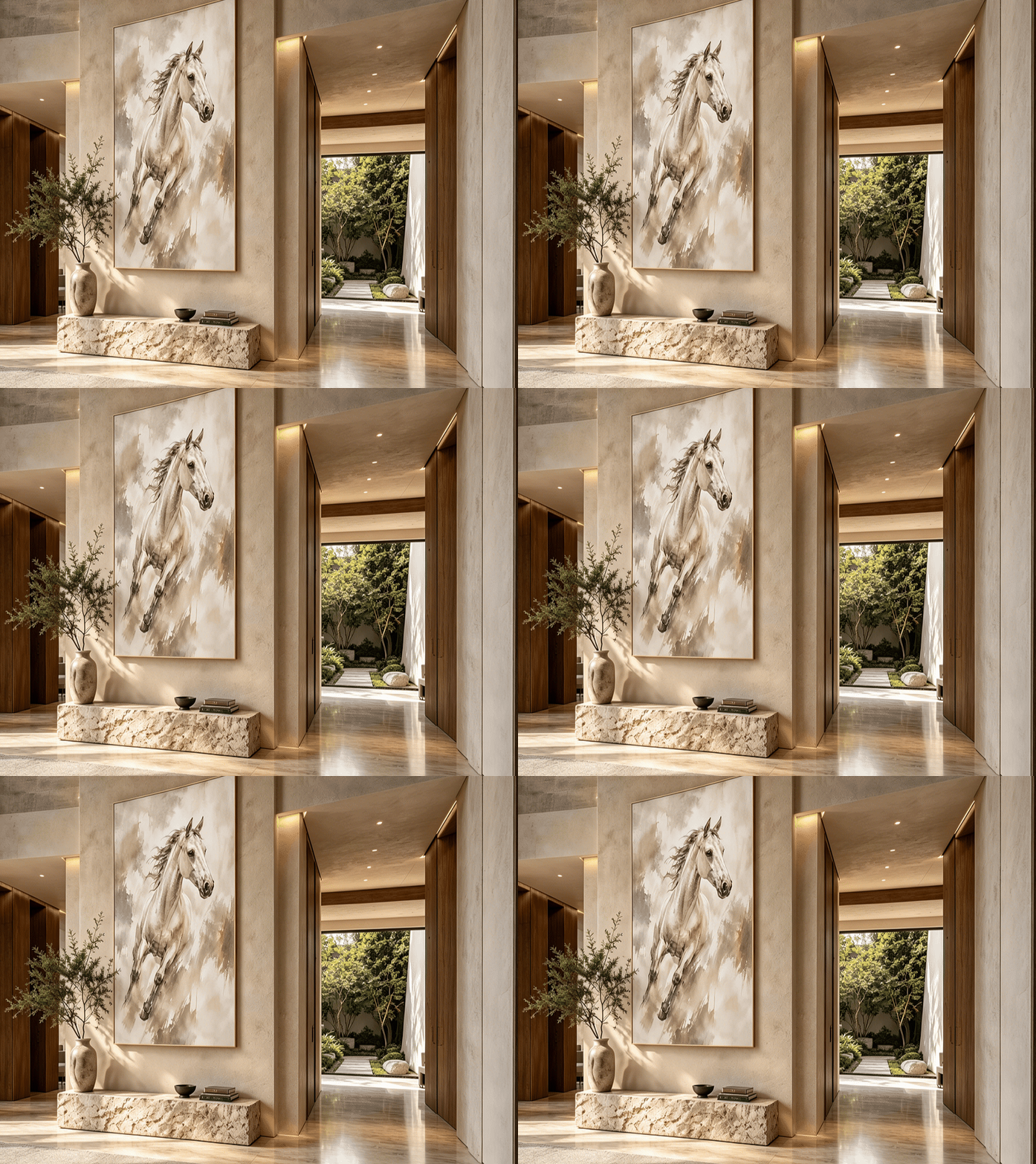
When the light finally came on, her husband said, "That wall finally has a soul."
He was right. In daylight, the relief is understated — run your hand over it and you feel the hand-polished curves, each strand of the mane rounded to the touch, nothing sharp. At night, when the entryway sensor light clicks on, the light spills from above and the horse's silhouette casts a gentle shadow on the wall, as if it's about to step out of the frame. That thin, "blank page" feeling is completely gone.
Now, every time a friend walks through her door, the first thing they say is some version of, "This wall is incredible." Lin smiles and tells them to step closer. "Touch it. It's not printed. It's carved."
The biggest thing she learned from the renovation: sometimes the problem isn't that your things aren't good enough — it's that you haven't found the one element that can hold the room. A bare wall, no matter how expensive the paint, is just a backdrop. But a piece with depth, with shadow, with weight — put that on the wall, and the entire space changes character.
The horse is still there in the entryway. Every evening when Lin comes home from work and opens the door, the light comes on first. The horse stands quietly on the wall, its shadow falling across the cream marble. That, she says, is the moment the house feels most like home.
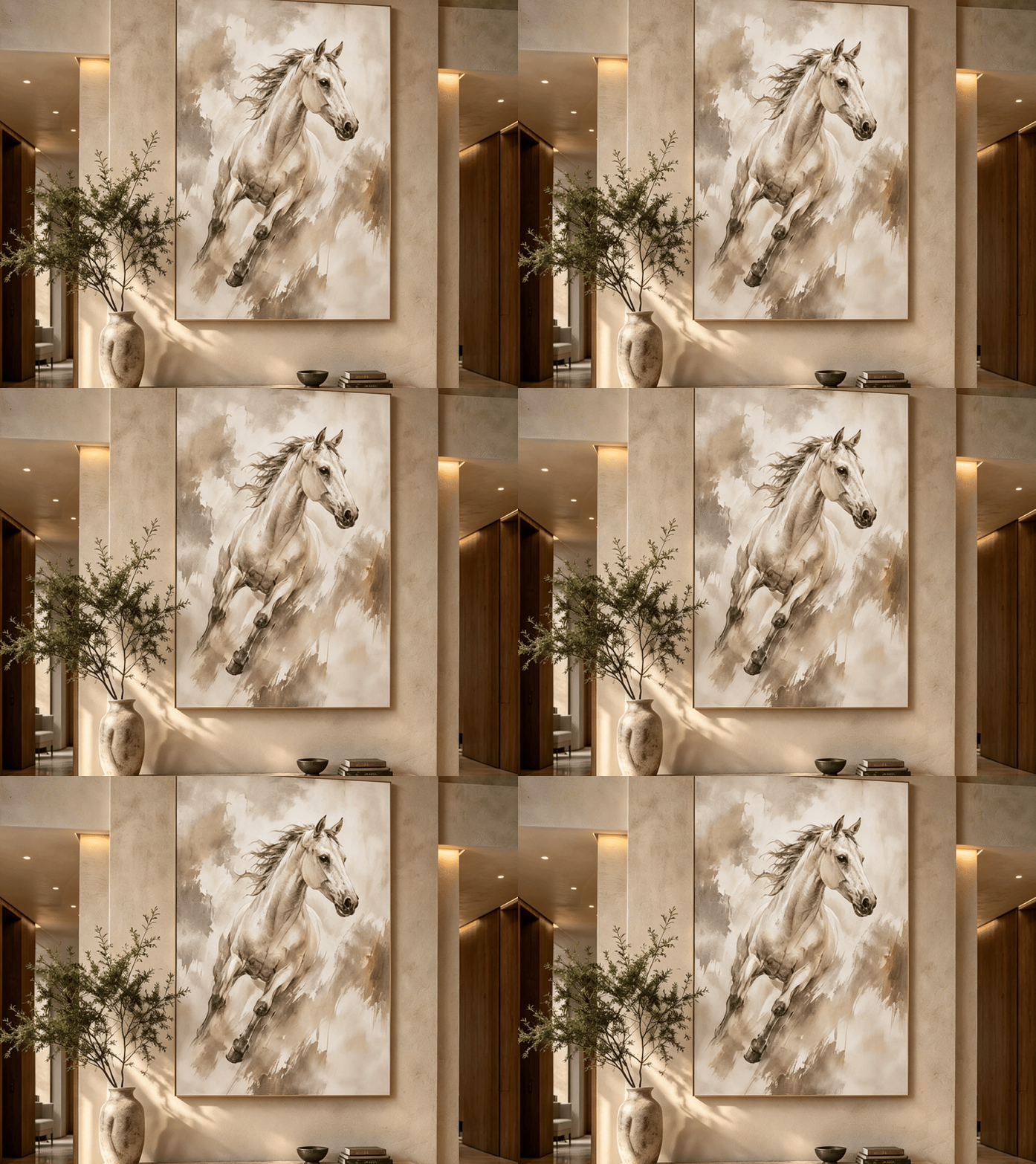
This project applies hand-painted oil paintings to the entrance hallway of a minimalist luxury villa, replacing ordinary printed artworks. The oil painting technique delicately renders textures of mountains and magnolias with richly layered brushstrokes and impasto surfaces, delivering tangible tactile texture unavailable on printed paintings. Combined with embedded ambient light strips, shadows fall naturally along the raised paint textures and enrich wall depth. It solves the problem of monotonous blank entrance walls and matches light luxury & neo-Chinese interior styles. The artwork serves as the core visual highlight upon entry, upgrading the overall decoration grade and winning high recognition from the homeowner.